About the Victoria Cross
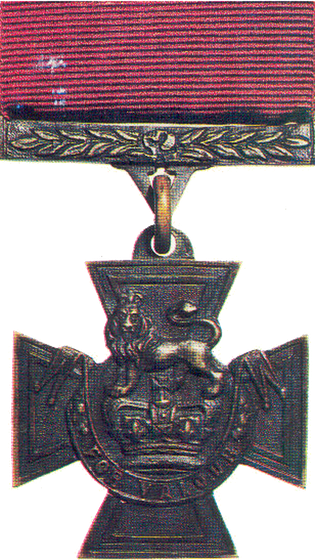
The Victoria Cross is the highest award for gallantry in the face of the enemy that can be made to members of the British and Commonwealth armed forces.
It was instituted by Queen Victoria by Royal Warrant on 29 January 1856, backdated to reward acts of the Crimean War, and it has been awarded 1,358 times to 1,355 people. The Cross is a bronze cross pattée bearing the Royal Crest — a lion standing on the Crown — above a scroll inscribed FOR VALOUR. It hangs from a crimson riband (originally blue for the Navy). The reverse of the suspender bar is engraved with the recipient's name, rank and unit, and the reverse of the Cross with the date of the act.
Unlike almost every other decoration, rank, long service and wounds count for nothing: as the warrant puts it, “neither rank, nor long service, nor wounds, nor any other circumstance or condition whatsoever, save the merit of conspicuous bravery, shall be held to establish a sufficient claim to the honour.”
Explore Alf's pages on the medal
- The Royal Warrant, 1856–1920The full text as Alf transcribed it
- Reverse of the CrossHow a genuine award is engraved
- Rule 13 — awards by ballotRorke's Drift, Zeebrugge and others
- ForfeituresThe eight Crosses forfeited
- VC and BarThe three double winners
- VCs at auctionPrices and sales
- The first investitureHyde Park, 26 June 1857
- Facts & figuresNumbers, youngest, oldest
Victoria Crosses by the numbers
Figures as of October 2026; see facts for notes on how the total is counted.