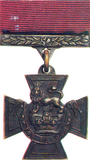
The Lord Edric Frederick Gifford
Lieutenant (later Major), 2nd Battn. 24th Regiment.(later South Wales Borderers)
- Register No.
- 449 (Alf's numbering, from The Register of the Victoria Cross, 1997)
- Rank
- Lieutenant (later Major) (register: Lieutenant) all Lieutenants →
- Unit
- 2nd Battn. 24th Regiment.(later South Wales Borderers) (register: 24th Regiment of Foot) all 24th Regiment of Foot VCs →
- Date of action
- 1873–1874 all of 1873 →
- Conflict / campaign
- First Ashanti Expedition
- London Gazette
- Date of Gazette 28th March 1874 on this day → all of 1874 →
- Born
- 5th July at Ropley, Hampshire
- Died
- 5th June 1911 at Chichester, Sussex
- Memorial / grave
- Bosham Church and Bosham Burial Ground, Sussex; Harrow School and Salisbury Cathedral, Rhodesia
Digest of citation
During the 1873-74 Ashanti Campaign, Lieutenant Lord Gifford was in charge of Scouts after the Army had crossed the Prah, and he daily took his life in his hands, performing his dangerous duties. He ferreted out the enemy's intentions, discovered their positions and took numerous prisoners. His courage was particularly conspicuous at the taking of Becquah, into which he penetrated with his scouts before the troops carried it
From Alf Askin's research notes
Reproduced as Alf wrote it, c. 2000–2005. Spelling and abbreviations are his own.
GIFFORD The Lord Edric Frederick (Reg. No. 449)
Lieutenant (later Major) 2nd Battn. 24th Regiment.(later South Wales Borderers) Date of Gazette 28th March 1874.
Born on 5th July at Ropley, Hampshire..
Died on 5th June 1911 at Chichester, Sussex.
Memorials at Bosham Church and Bosham Burial Ground, Sussex; Harrow School and Salisbury Cathedral, Rhodesia.
.Additional Informaton: Uncle of Captain J.F.P. Butler; Colonial Secretary for Western Australia and Senior Member Legislative Council 1880-83; Colonial Secretary for Gibralter 1883-88.
Digest of Citation reads: : During the 1873-74 Ashanti Campaign, Lieutenant Lord Gifford was in charge of Scouts after the Army had crossed the Prah, and he daily took his life in his hands, performing his dangerous duties. He ferreted out the enemy's intentions, discovered their positions and took numerous prisoners. His courage was particularly conspicuous at the taking of Becquah, into which he penetrated with his scouts before the troops carried it.
Born on Edric Frederick Gifford on the 5th July 1849, he was the eldest son of the 2nd Baron Gifford, Robert Francis and his wife the Honourable Frederica Charlotte Fitzhardinge, eldest daughter of the 1st Baron Fitzhardinge. After being educated at Harrow, he joined the Army in 1869. In 1872, the same year that he succeeded his father as the 3rd Baron Gifford, he became a lieutenant in the 63rd Regiment. The following year he transferred to the 24th Regiment, later to become the South Wales Borderers. After the Army had crossed the Prah, in the Ashanti Wars, he was put in charge of Scouts, where he and his men showed great courage and devotion to duty. They made daily reconnaissances into enemy territory seeking intelligence on their positions and intentions. With no other men with him he captured several prisoners. He was put forward by Sir Garnet Wolsely for his conspicuous gallantry on his penetration of Becqah, with his scouts, before the troops actually took it For these actions he was awarded the Victoria Cross and was personally presented with it by Her Majesty Queen Victoria, in April 1874, at a review in Windsor Park. He was promoted to Captain, in 1876, in the 57th Regiment and three years later, in 1879, he was in Africa as the Zulu war was coming to an end. They had been searching for the Zulu King, Cetshwayo and had trailed him for fifteen days, ending in the Ngome forest. Here, in a small insignificant kraal, the chief had taken refuge. Cetshwayo had led the attack on the British at Isandhlwana and massacred them. The Commander in Chief, Lord Chelmsford, was away on a reconnaissance expedition at the time. Whilst he surveyed the disastrous damage at the battle site another attack was taking place at a small Swedish mission known as Rorke's Drift against a small body of British troops under the command of Lieutenants Chard and Bromhead. Eleven Victoria Crosses were won that Day. As Gifford's men were exhausted, he decided to wait for nightfall before entering the kraal to capture the warrior. As they rested more troops arrived under the command of Major Marter. He decided to march straight into the hideout and catch Cetshwayo, which he did. The proud Chief was dishevelled and weary, his thighs sore, from continuous travelling trying to avoid capture. He gave up without a struggle. Lord Gifford was promoted to Brevet Major in the 1st Battalion, The Middlesex Regiment in 1880. After this, he served as Colonial Secretary for Western Australia and Senior Member of the Legislative Council from 1880-83 and as Colonial Secretary for Gibralter from 1883-88. Lord Gifford Died on the 5th of June 1911 in Chichester, Sussex. He was given full military honours for his funeral. The path to Bosham Church was lined with Boy Scouts and ‘The Last Post' was sounded by a bugler from the Royal Sussex Regiment. He was buried in the little graveyard a short way from the church. He is remembered by his school, Harrow, where his name is on a memorial. A Plaque, to his memory, is on the wall inside the picturesque village church at Bosham and his grave has a stone laying above. Footnote. The grave was damaged by the storm in 1987 when a tree fell nearby.. Workmen, burning the tree set the fire too close to Lord Gifford's grave causing the stone to split and crumble away at the edges.
From Alf's photographs
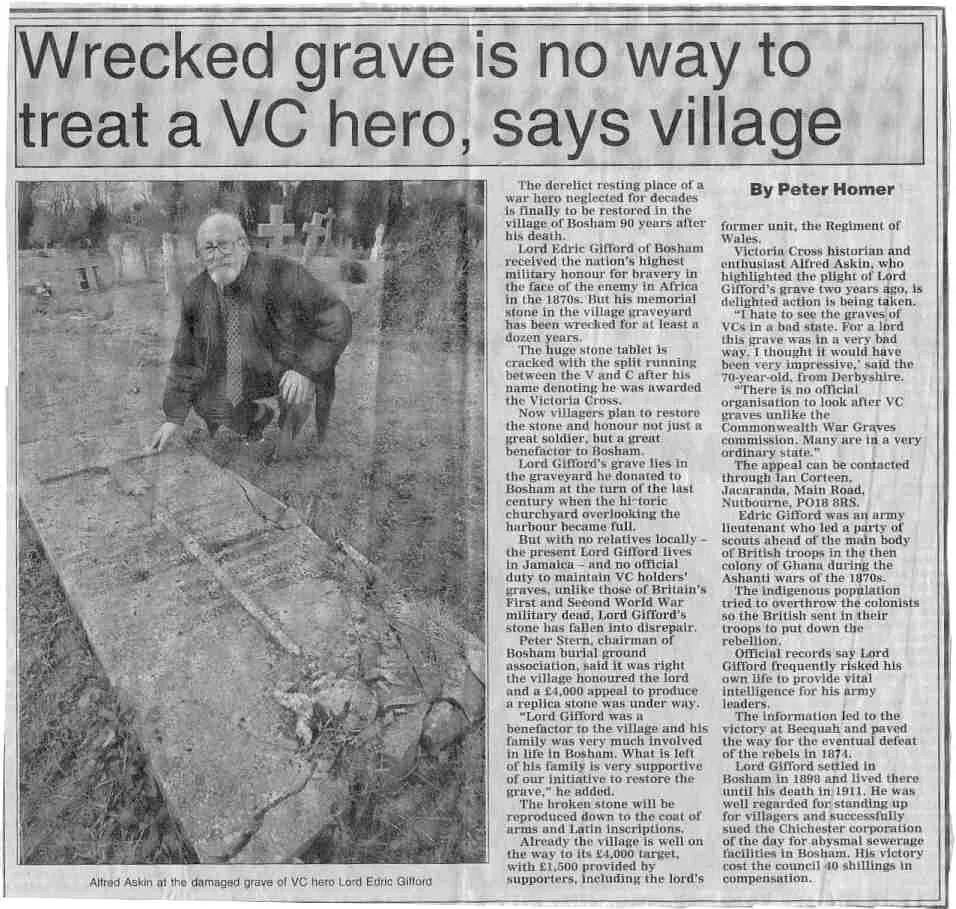
Alfred Askin at Lord Giffords Grave - Bosham, W. Sussex. (gallery) 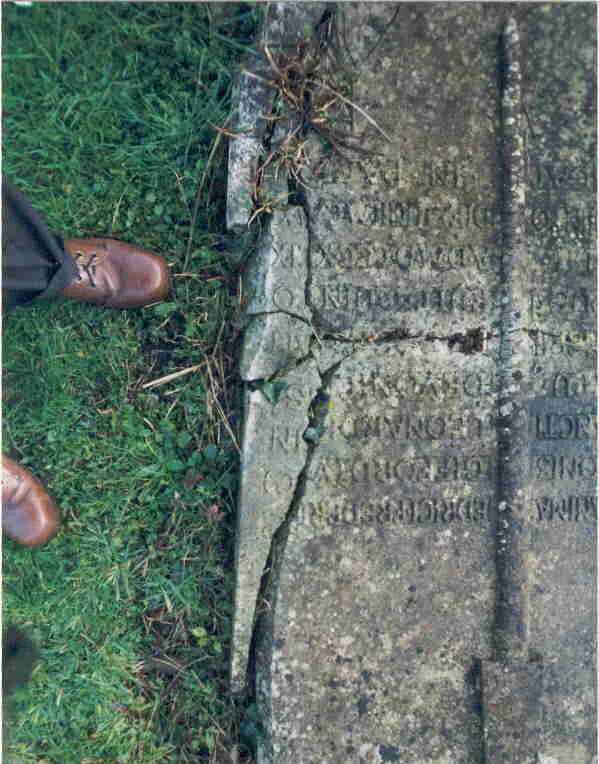
Giffords Grave Damaged - Bosham, W. Sussex. (gallery) 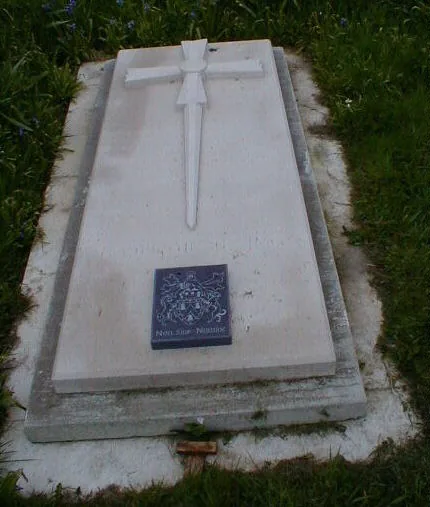
Lord Giffords (Pronouced Jifford) Grave (In Bosham Graveyard, Sussex) (gallery)
Alf's notes on his life
Born on Edric Frederick Gifford on the 5th July 1849, he was the eldest son of the 2nd Baron Gifford, Robert Francis and his wife the Honourable Frederica Charlotte Fitzhardinge, eldest daughter of the 1st Baron Fitzhardinge. After being educated at Harrow, he joined the Army in 1869. In 1872, the same year that he succeeded his father as the 3rd Baron Gifford, he became a lieutenant in the 63rd Regiment. The following year he transferred to the 24th Regiment, later to become the South Wales Borderers. After the Army had crossed the Prah, in the Ashanti Wars, he was put in charge of Scouts, where he and his men showed great courage and devotion to duty. They made daily reconnaissances into enemy territory seeking intelligence on their positions and intentions. With no other men with him he captured several prisoners. He was put forward by Sir Garnet Wolsely for his conspicuous gallantry on his penetration of Becqah, with his scouts, before the troops actually took it For these actions he was awarded the Victoria Cross and was personally presented with it by Her Majesty Queen Victoria, in April 1874, at a review in Windsor Park. He was promoted to Captain, in 1876, in the 57th Regiment and three years later, in 1879, he was in Africa as the Zulu war was coming to an end. They had been searching for the Zulu King, Cetshwayo and had trailed him for fifteen days, ending in the Ngome forest. Here, in a small insignificant kraal, the chief had taken refuge. Cetshwayo had led the attack on the British at Isandhlwana and massacred them. The Commander in Chief, Lord Chelmsford, was away on a reconnaissance expedition at the time. Whilst he surveyed the disastrous damage at the battle site another attack was taking place at a small Swedish mission known as Rorke's Drift against a small body of British troops under the command of Lieutenants Chard and Bromhead. Eleven Victoria Crosses were won that Day. As Gifford's men were exhausted, he decided to wait for nightfall before entering the kraal to capture the warrior. As they rested more troops arrived under the command of Major Marter. He decided to march straight into the hideout and catch Cetshwayo, which he did. The proud Chief was dishevelled and weary, his thighs sore, from continuous travelling trying to avoid capture. He gave up without a struggle. Lord Gifford was promoted to Brevet Major in the 1st Battalion, The Middlesex Regiment in 1880. After this, he served as Colonial Secretary for Western Australia and Senior Member of the Legislative Council from 1880-83 and as Colonial Secretary for Gibralter from 1883-88. Lord Gifford Died on the 5th of June 1911 in Chichester, Sussex. He was given full military honours for his funeral. The path to Bosham Church was lined with Boy Scouts and ‘The Last Post' was sounded by a bugler from the Royal Sussex Regiment. He was buried in the little graveyard a short way from the church. He is remembered by his school, Harrow, where his name is on a memorial. A Plaque, to his memory, is on the wall inside the picturesque village church at Bosham and his grave has a stone laying above. Footnote. The grave was damaged by the storm in 1987 when a tree fell nearby.. Workmen, burning the tree set the fire too close to Lord Gifford's grave causing the stone to split and crumble away at the edges.
Additional information
Uncle of Captain J.F.P. Butler; Colonial Secretary for Western Australia and Senior Member Legislative Council 1880-83; Colonial Secretary for Gibralter 1883-88.
Register note: Awarded for an extended period of sustained courage and leadership
Visit the grave or memorial
Alf recorded the memorial as: Bosham Church and Bosham Burial Ground, Sussex; Harrow School and Salisbury Cathedral, Rhodesia
Map links open a search for the place name Alf recorded; please check opening times and exact locations before travelling. Many VC graves have since been restored by the Victoria Cross Trust.
Research this recipient further
Would you like to honour The Lord Edric Frederick Gifford by sponsoring this page from £1 a month — in memory of someone, in your own name or for your company? Sponsor this page.